

Содержание страницы
Forex: Understanding the World’s Largest Currency Market
Forex, or “foreign exchange,” is the global marketplace where currencies are bought, sold, and exchanged. It is the largest and most liquid financial market on the planet, with daily turnover exceeding $6 trillion. Unlike traditional stock markets, which operate through centralized exchanges, Forex is entirely decentralized and functions through a vast network of banks, brokers, institutions, and private traders. This structure makes it fast, flexible, and accessible to participants around the world.
What Forex Really Is
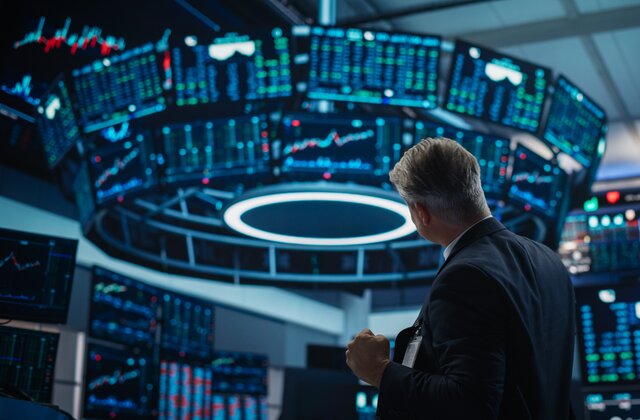
At its core, Forex is a system that enables the exchange of one currency for another. Central banks, corporations conducting international business, hedge funds, and individual traders meet here—virtually—to react to economic data, global events, and market expectations. One of the defining features of the Forex market is its round-the-clock operation. From Monday morning in Asia to Friday evening in New York, trading never stops, allowing participants to enter and exit positions whenever global news breaks or opportunities appear.
Because transactions happen electronically and across many time zones, the Forex market enjoys extremely high liquidity. This means currencies can be bought and sold almost instantly, and large orders often have little impact on market prices. It’s this combination of accessibility, speed, and volume that attracts millions of traders worldwide.
How the Forex Market Functions
Forex trading always involves pairs, such as EUR/USD or GBP/JPY. When a trader buys a currency pair, they purchase the base currency (the first in the pair) while simultaneously selling the quote currency (the second). This dual nature of trading reflects the idea that currencies gain or lose value relative to one another.
Exchange rates constantly fluctuate due to a variety of influences—economic indicators like GDP or inflation, interest rate decisions by central banks, political developments, and shifts in global sentiment. Brokers facilitate access to this market and earn through the spread—the difference between the buy (ask) and sell (bid) price.
Leverage is another crucial aspect of Forex. It allows traders to control large positions with comparatively small amounts of capital. While leverage creates the possibility of enhancing profits, it also magnifies losses, making risk management an essential skill for anyone entering the market.
Advantages of Trading Forex
One of the primary benefits of Forex is its liquidity. Traders can open and close positions almost instantly, even during periods of increased market activity. Another advantage is accessibility: many brokers allow clients to start trading with modest initial deposits, making Forex one of the most approachable financial markets for beginners.
Flexibility is another important point. With dozens of major, minor, and exotic currency pairs available, traders can shape their approach according to their interests, time availability, and appetite for risk. Forex trading doesn’t require sticking to one style either—scalping, day trading, swing trading, and long-term investing all find their place on this market.
Challenges and Risks
Despite its appeal, Forex trading is not without pitfalls. Its high volatility means prices can change rapidly, sometimes within seconds, leading to significant losses for those unprepared or overleveraged. Successful trading requires much more than intuition—it demands a solid understanding of global economics, technical analysis tools, and market psychology.
Another risk comes from choosing the wrong broker. The popularity of Forex has attracted both reliable companies and less ethical ones. Traders must ensure their broker is licensed and operates under recognized regulatory standards to avoid hidden fees or unfair trading conditions.
Psychological pressure also plays a major role. The constant movement of prices can provoke emotional decisions—fear, greed, and impatience often become the hidden enemies of traders. Maintaining discipline, following a strategy, and keeping emotions under control are as important as market knowledge itself.
Common Approaches to Forex Trading
Forex traders generally rely on two main types of analysis:
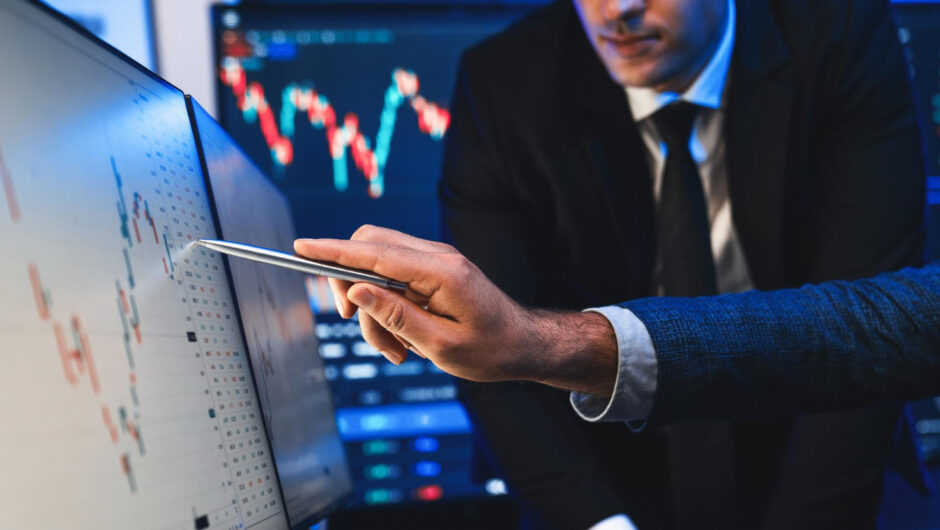
- Technical analysis, which uses charts, indicators, and patterns to identify potential price movements.
- Fundamental analysis, which evaluates economic reports, political events, and financial news to understand what may influence currency values.
Based on these analytical tools, traders form their own strategies. Some focus on very short-term trades, making many quick decisions throughout the day. Others prefer a more measured approach, holding positions for days or even weeks to benefit from broader market trends.
Getting Started in Forex
For beginners, choosing a trustworthy, well-regulated broke is the first essential step. After that, opening a demo account is highly recommended. A demo account mirrors the real market but uses virtual funds, allowing newcomers to practice without risking money.
Once comfortable with the trading platform, it’s important to define a personal strategy. This includes setting goals, determining acceptable levels of risk, and deciding how much time can be devoted to trading. Proper risk management—such as using stop-loss orders and limiting exposure to no more than 1–2% of capital per trade—helps protect against unexpected market moves.
Continuous learning is the final piece of the puzzle. The Forex market evolves constantly, and traders who keep up with news, study economic trends, and refine their techniques are far more likely to achieve consistent results.
Conclusion
Forex is one of the most dynamic and engaging financial markets available today. Its liquidity, accessibility, and global nature make it appealing both to new traders and seasoned professionals. However, it also demands discipline, education, and thoughtful risk management. Understanding how the market works and developing a well-structured trading plan can help traders navigate volatility and take advantage of the opportunities Forex has to offer.
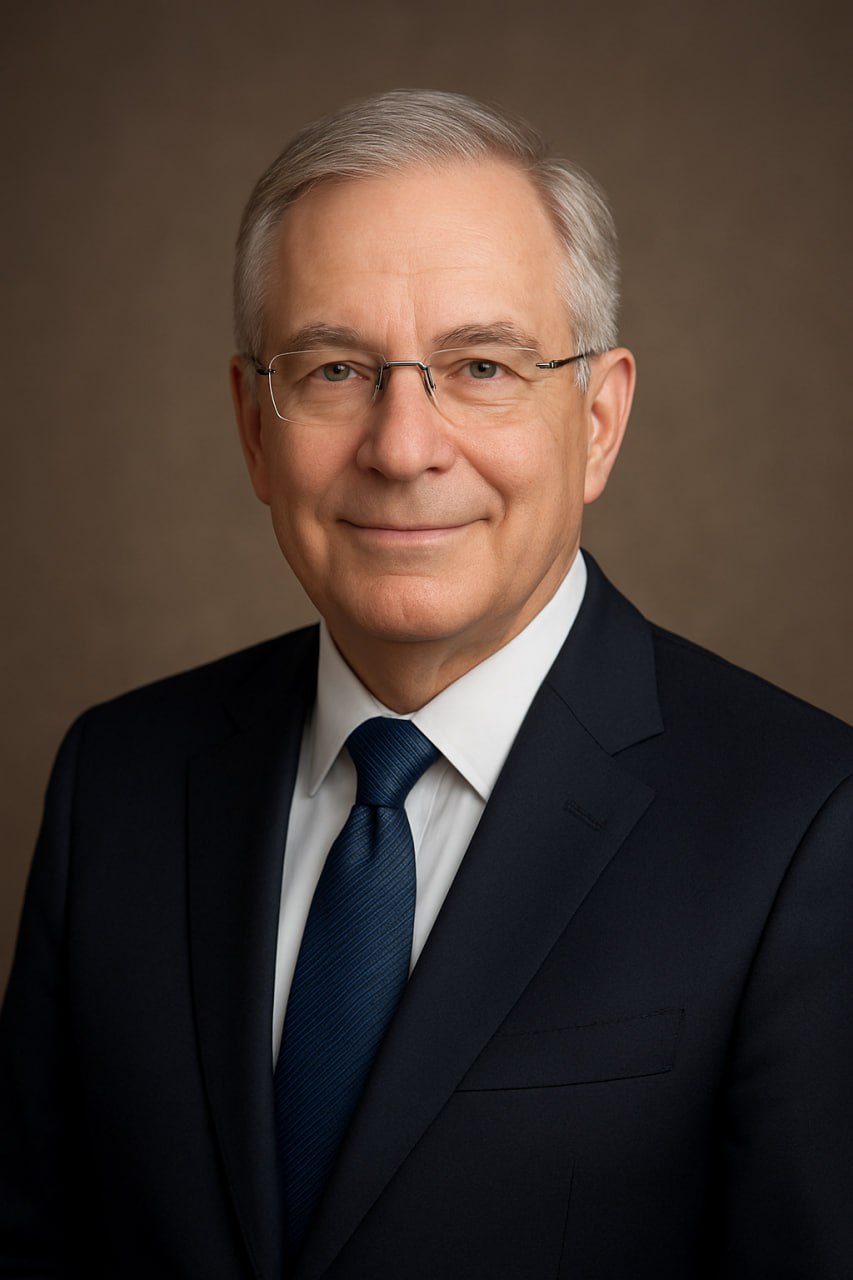 Lawyer Arthur Whitmore